Details
Materials Matter: 100% Ring-Spun Cotton
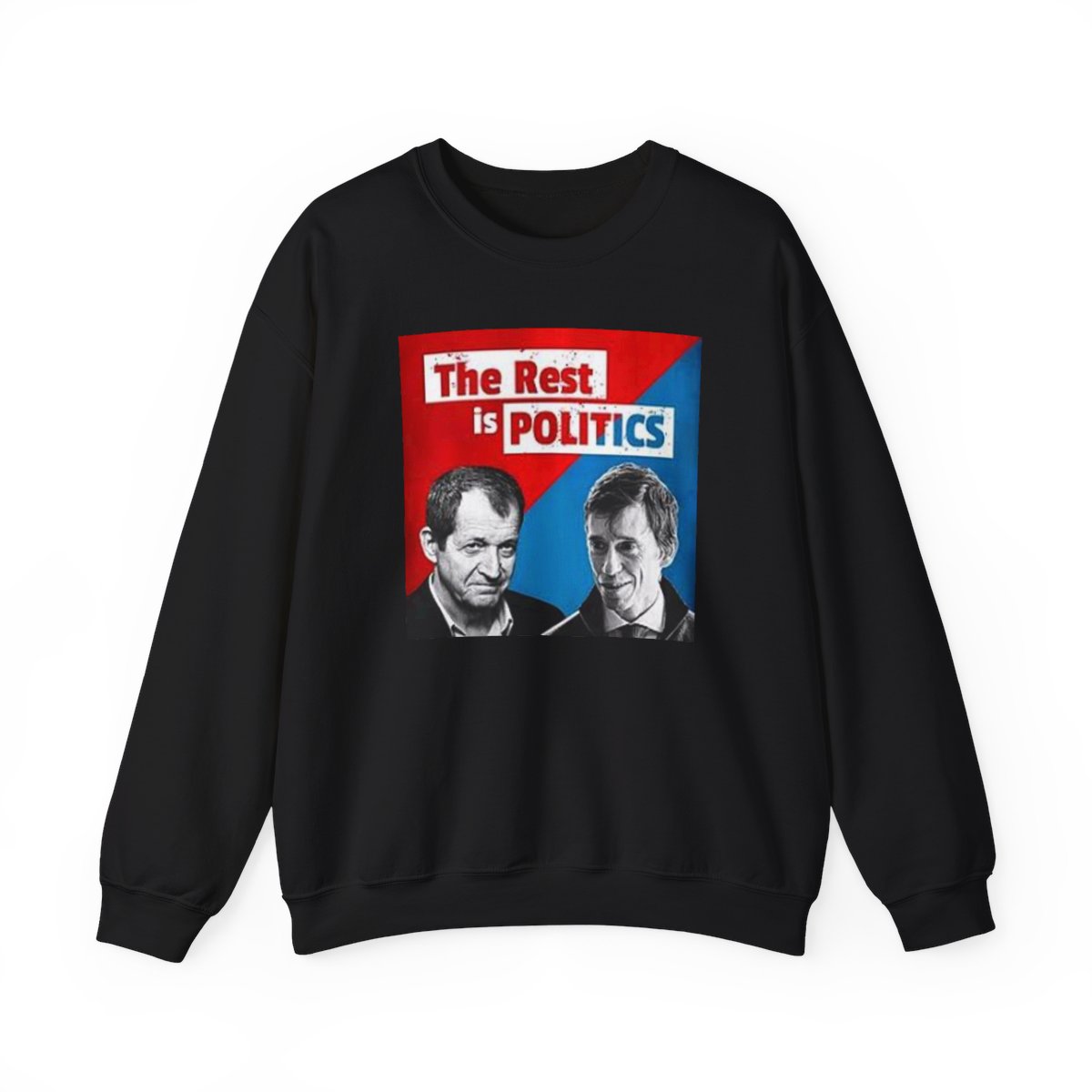
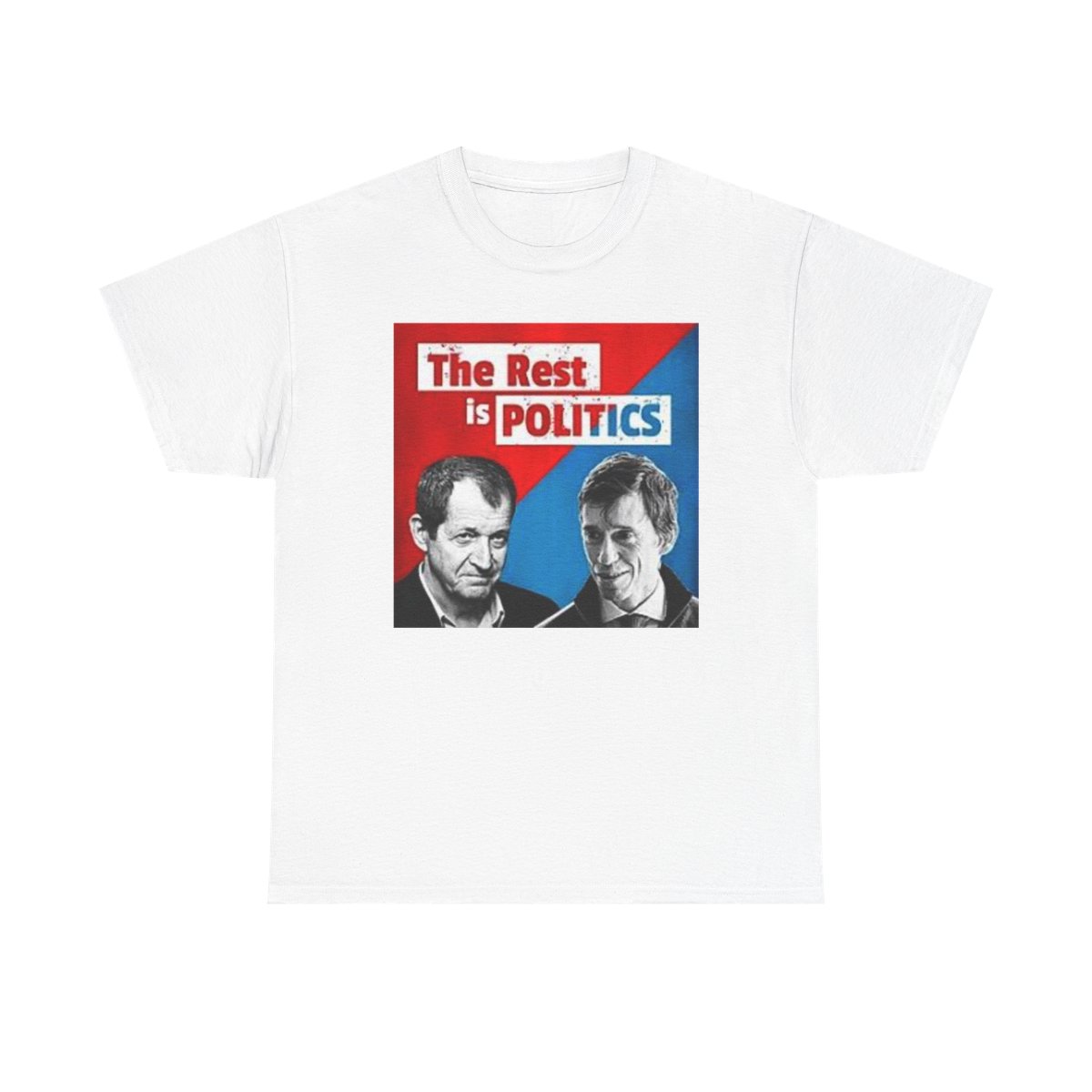
The star product, The Rest Is Politics Classic T-Shirt ($24.99), is made from 100% ring-spun cotton. This isn't your average shirt. Ring-spun cotton is created by twisting and thinning the fibers, resulting in a softer, stronger fabric that holds up wash after wash. That durability is key to sustainability - when a shirt lasts years instead of months, it stays out of landfills. Plus, it's pre-shrunk, so what you buy is what you keep.
Compare that to fast-fashion tees that pill and fade after a few cycles. The Classic T-Shirt is designed as a staple piece you'll reach for regularly. And because it's unisex and relaxed fit, it works across a range of body types, reducing the chance it gets passed on or tossed.
The Full Collection: Hoodies, Polos, Tank Tops
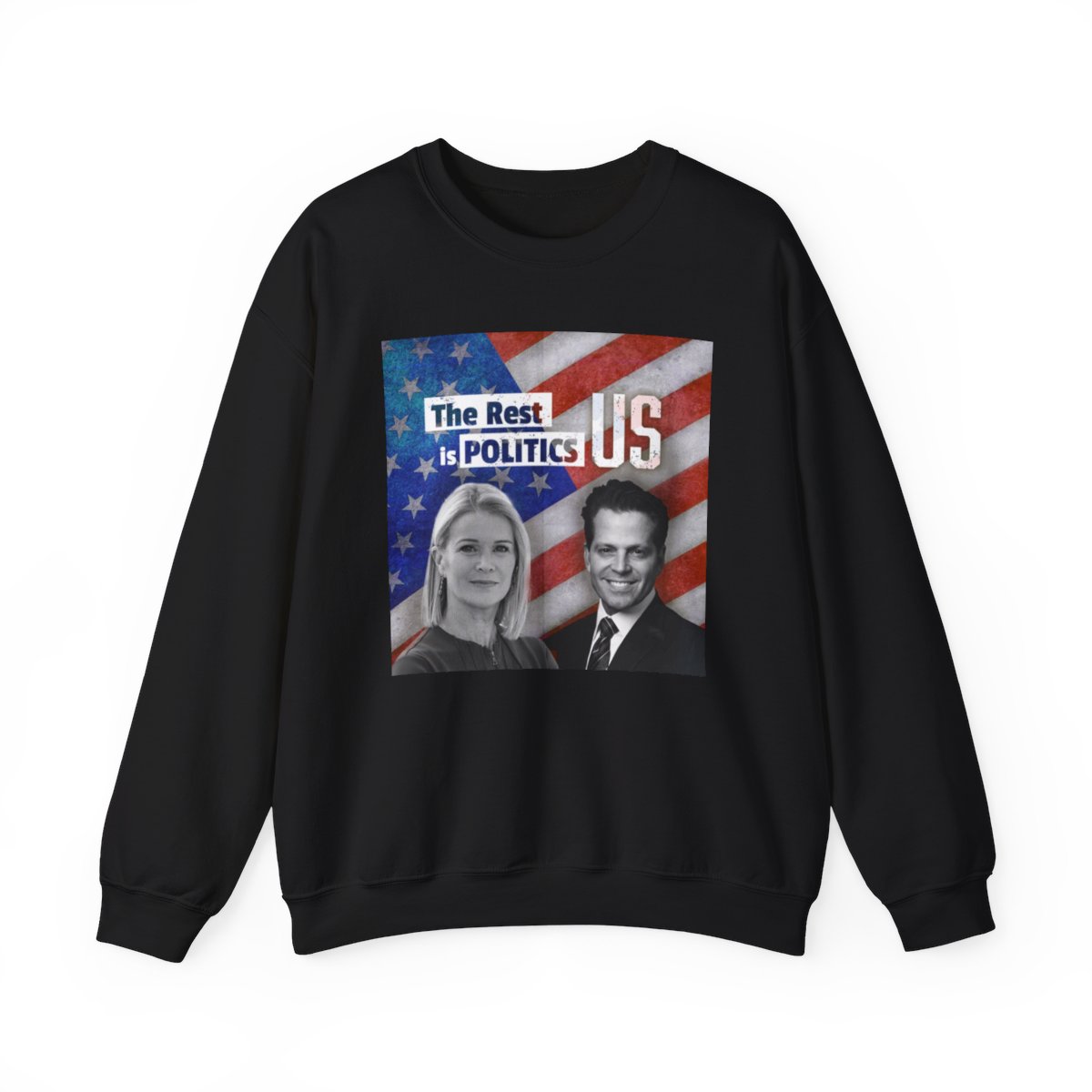
Beyond the tee, the rest of the lineup follows a similar ethos. The Premium Hoodie ($49.99) uses a heavyweight cotton blend that's both cozy and resilient. The Polo Shirt ($34.99) offers a smarter look with the same attention to fabric quality, perfect for casual Fridays or political debates. And the Tank Top ($19.99) gives a lighter option for summer listen-alongs - again, made to last.
All these pieces are blank canvases for The Rest Is Politics branding, which means no seasonal logos or trendy prints that go out of style. Classic typography and simple designs ensure they remain relevant season after season. That's circular fashion thinking: buy once, wear often.
Why Durability Equals Sustainability
It's easy to think "sustainable merch" means organic cotton or recycled polyester. While those are great, one of the most impactful choices is simply making clothes that don't fall apart. By prioritizing 100% ring-spun cotton and pre-shrunk fits, The Rest Is Politics reduces the likelihood of premature disposal. The Classic T-Shirt, for example, is a soft everyday tee that actually gets better with age - like a well-worn campaign button.
The Bigger Picture: Podcasting and the Planet
The Rest Is Politics hosts frequently discuss climate policy and environmental challenges. It's fitting that their own merchandise follows a more deliberate path. While they don't claim to be a fully eco-brand (yet), the choice of quality over quantity aligns with reducing fashion's carbon footprint. By investing in gear that outlasts trends, you're casting a vote for a slower, more thoughtful consumer culture.